
.

.
We’ve long understood the importance of being kind. Anne Herbert, in her book ‘Random Kindness and Senseless Acts of Beauty’, along with hit movies such as ‘Pay it Forward’ and ‘Evan Almighty’ have popularized the phrase ‘random acts of kindness.’ While this type of kindness undoubtedly has value, our focus goes beyond just being random. Our focus is on being intentional, consciously choosing to be kind. In other words, being kind on purpose.
.
We generally think of kind people as friendly, helpful, and considerate. Although this is true, kindness goes beyond having these qualities. It involves being sincere and having a genuine desire to strengthen others with no expectation of anything in return.
.
There are many health benefits to being kind, for both the giver and the receiver. For the receiver, it can foster feelings of being connected and supported, and to feeling less alone. For the giver, it’s been shown to boost one’s mood and self-esteem, reducing stress, lowering blood pressure, and promoting heart health. It’s important to understand that givers not only extend kindness to others, but to themselves as well.
.

.
One of the most beautiful aspects of kindness is the ripple effect it often creates. When we show kindness to others, it can inspire others to be kind, creating a chain reaction.
.
.
So, this brings us back to why it’s important to be kind ‘on purpose’. While kindness comes very naturally to some people, it doesn’t come quite as naturally to everyone. If so, the world would be a much happier and far more pleasant place in which to live. Therefore, we need to ask a question. Can kindness be learned? The good news is that, yes, kindness can be learned. It’s a skill that can be developed through practice.
.
Here are some examples of intentional kindness, being kind on purpose. You’ll notice that kind acts do not have to be grand gestures or something hard to accomplish.
- Hold the door open for someone who has their hands full.
- Include a new person into your friend group, especially if they seem to be having a hard time making friends.
- Notice something positive about someone and tell them. Be specific.
- Smile!
- Call or visit with your grandparents.
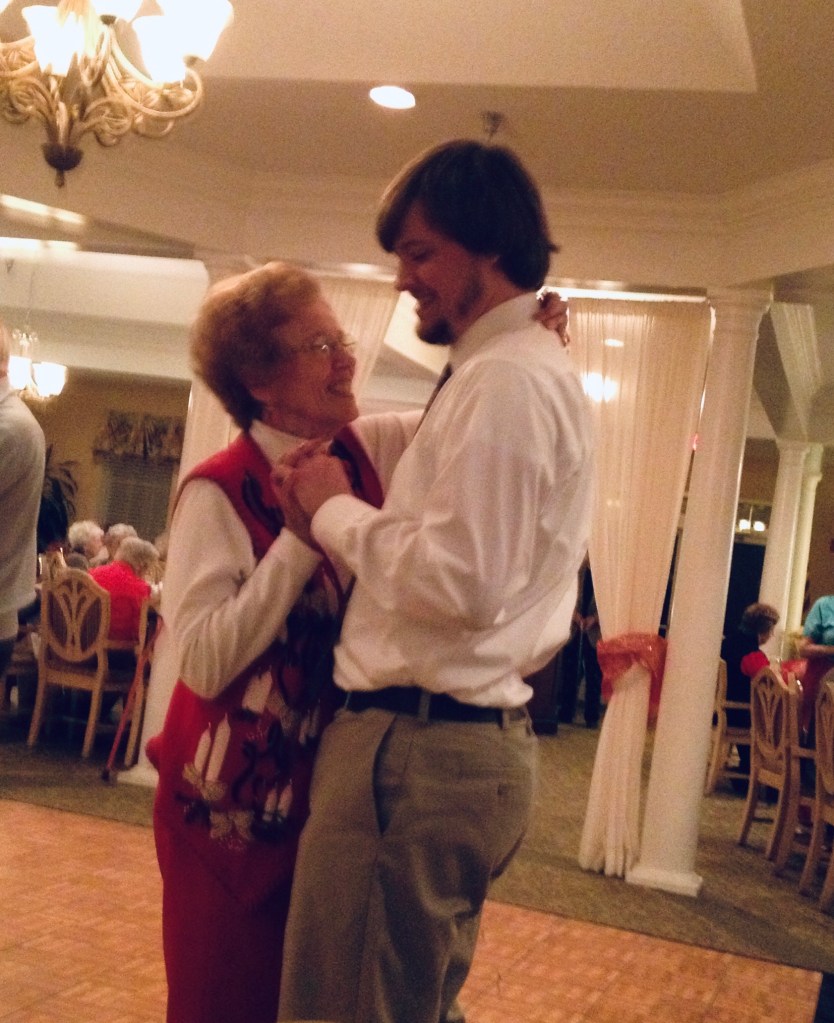
Daniel dancing with his grandmother.
.
Here are examples of kind acts that are more involved.
- Offer to feed a neighbor’s animals and water their plants when they are planning to take a trip.
- Donate your time with a charitable organization. (e.g. – local food pantry, mental health non-profit, homeless shelter, animal shelter, etc.)
- Reach out to a friend in need, and listen to and support them.
.
Here are examples of being kind to oneself.
- Take a walk in nature several times a week.
- Allow yourself to appreciate your accomplishments or efforts, large or small.
- Forgive yourself when you make a mistake.
- Set personal boundaries.
- Take on a new hobby or learn to play an instrument.
- Enjoy spending time with loved ones.
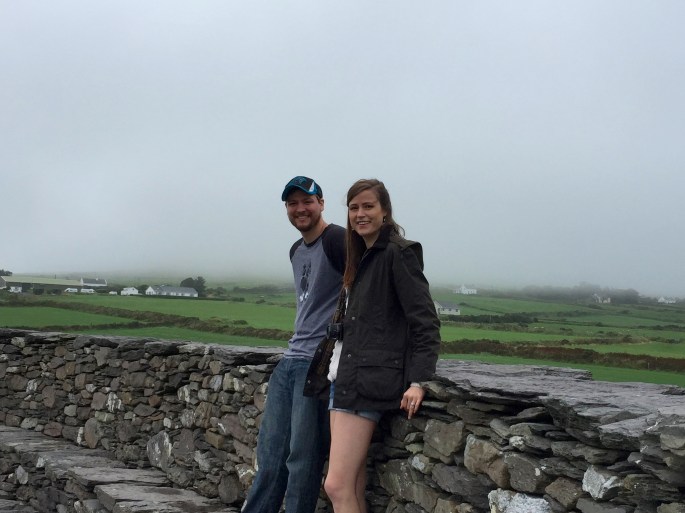
Daniel with his sister, Katharine.
.
These are only a few examples of intentional acts of kindness. Please share other examples with us through our Contact page so we may add them to our site. You may remain anonymous if you wish, or we will gladly include your name.
.
.
.
.

 Daniel's Keys to Kindness